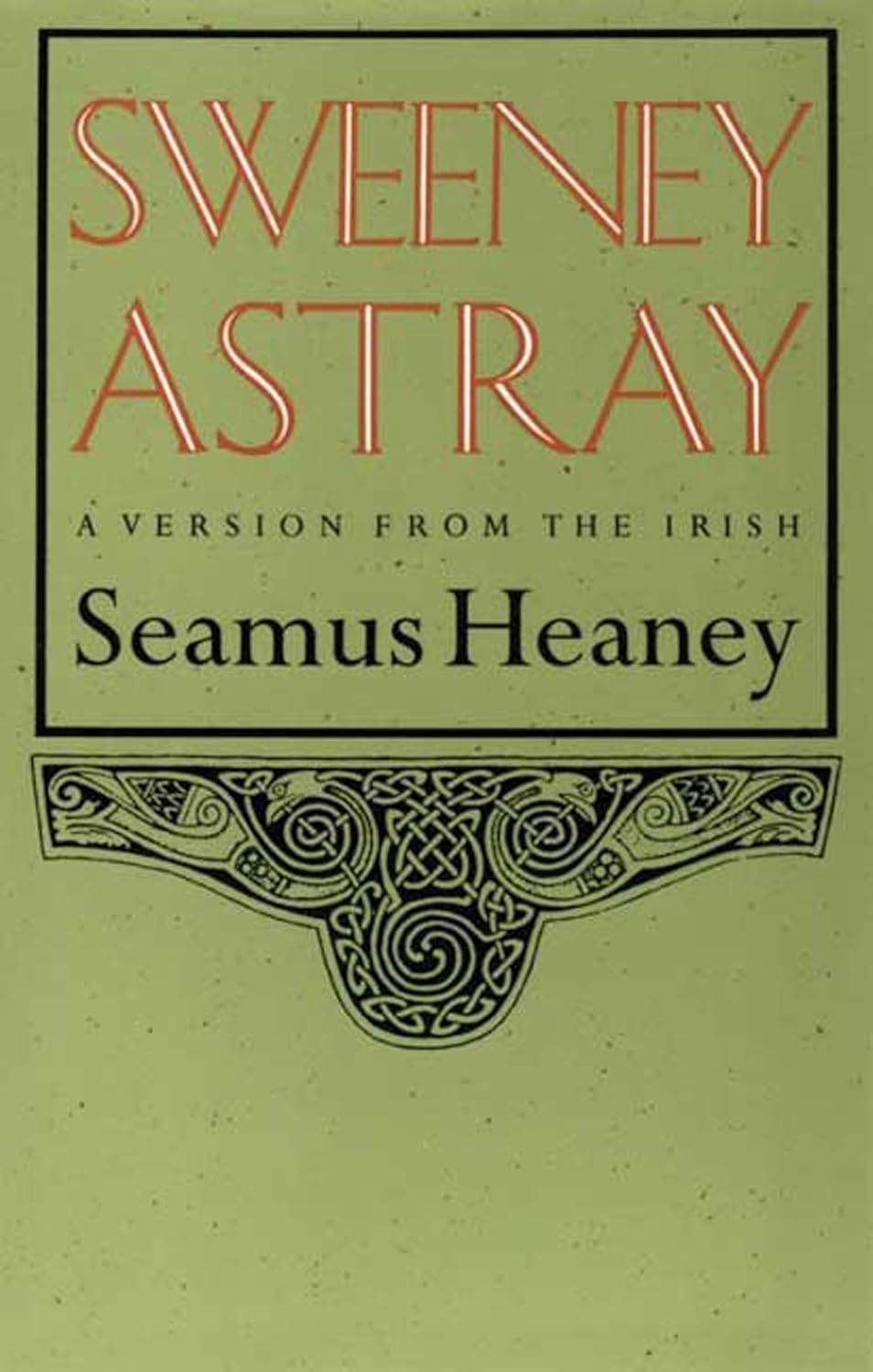
"We feel the loss of the prophets, the poets and the bards.
We need storytellers, more of those who remember and can weave the tales into living symbols of God and the land."
The Threshold Figure
The vocabulary comes from ritual anthropology. Van Gennep found that rites of passage keep a
three-beat shape — separation, transition, incorporation — and named the middle beat
liminal, from the Latin for threshold. Victor Turner made the middle beat a theory:
liminal personae, "threshold people," are betwixt and between the positions assigned
by law, custom, convention, and ceremonial — associated, he noted, with the wilderness, with
invisibility, with darkness and death. But rite-of-passage liminality is temporary; the
initiand is eventually brought home. The sharper claim about Merlin — and about Suibhne — is
that they are permanently liminal: never reincorporated, holding the threshold as a
residence rather than a passage. That is a stronger and stranger thing to be, and it is what
makes them voices rather than initiates.
The reception scholarship warns that "liminal" has become a reflexive label — applied to
everything, meaning little. On this page the word has to earn its keep: the tensions below
are where scholars show it doing real work, and the claims are marked where it does not.
One Wild-Man Tradition
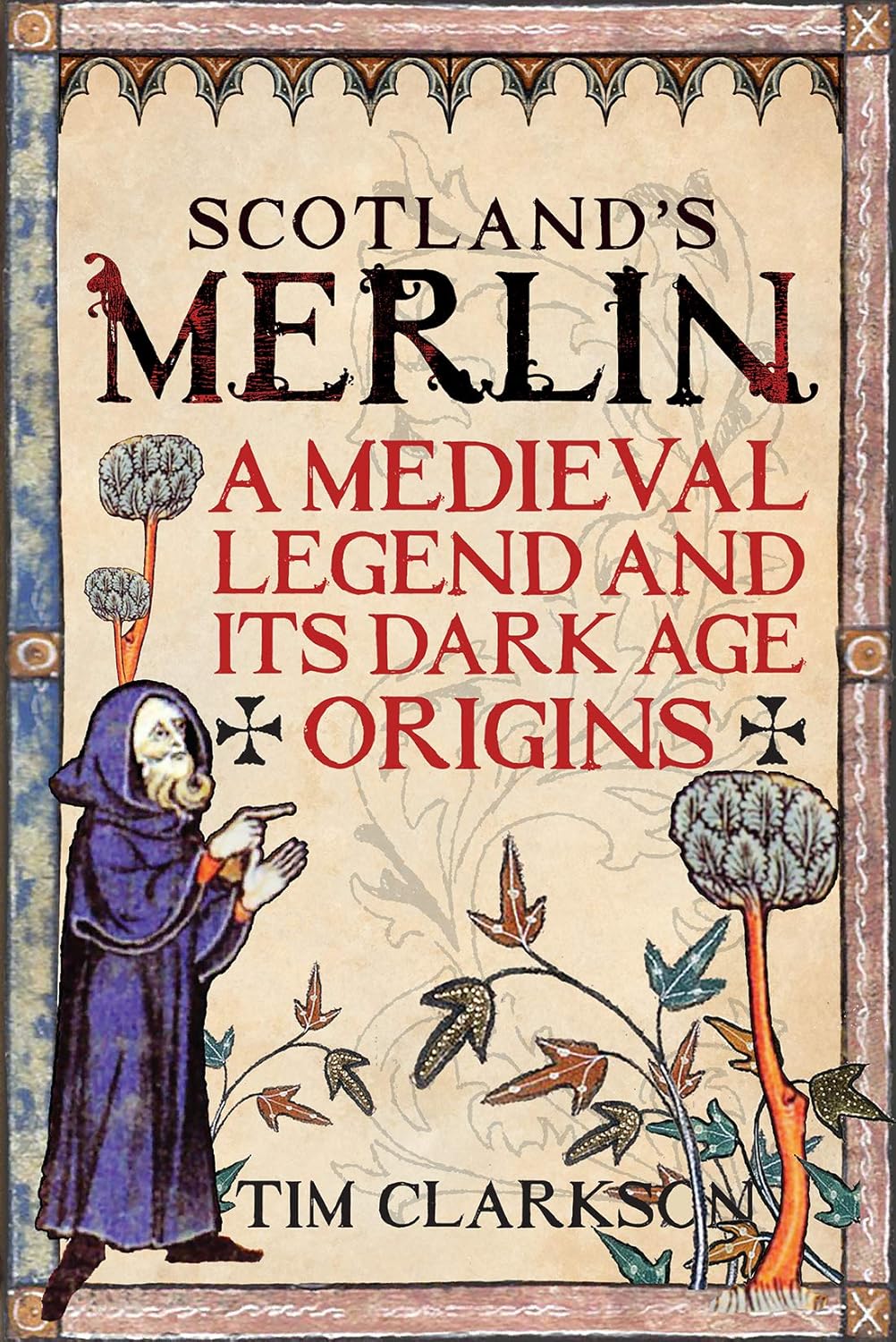
Here the scholarship stops hedging. That Merlin's core belongs to a shared Insular tradition
of the mad prophet in the trees — Myrddin Wyllt in Wales, Lailoken in the Scottish north,
Suibhne Geilt in Ireland — is a strong and repeatedly stated consensus, not a contested
reading. Jarman derived the Merlin legend from the primitive wild-man motif; Ó Riain
tabulated the shared motifs that make the figures a genuine type; and Slavin's study of
Suibhne applies liminality to him by name, listing Myrddin, Lailoken, and the Merlin of the
Vita Merlini as his direct kin. The structure recurs across all three: battle-trauma,
madness, forest exile, prophecy.
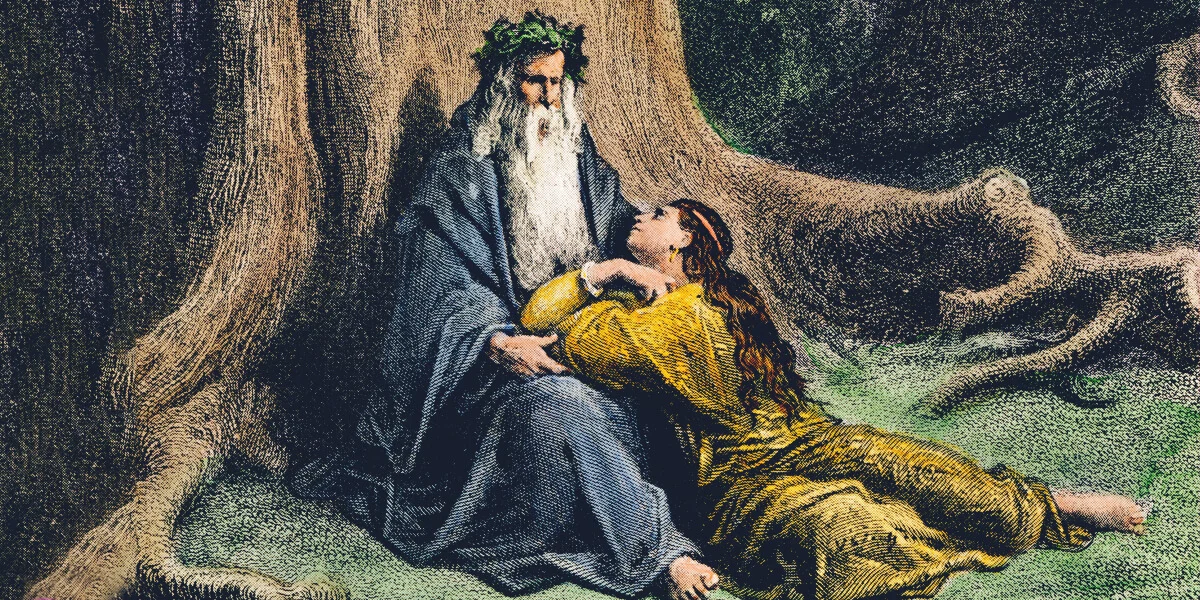
And the tradition did not leave the kinship implicit. In Buile Suibhne itself,
Suibhne crosses to the land of the Britons and finds another madman in the wood — Alladhán,
called Fer Caille, "man of the wood" — and the two geilte keep watch over one another for a
year, until Alladhán departs to the death he has foreseen at the waterfall. Scholarship
identifies this Briton with the Lailoken–Myrddin figure. The stories did not merely resemble
one another; the tradition says the wild men met.
The Fault Line
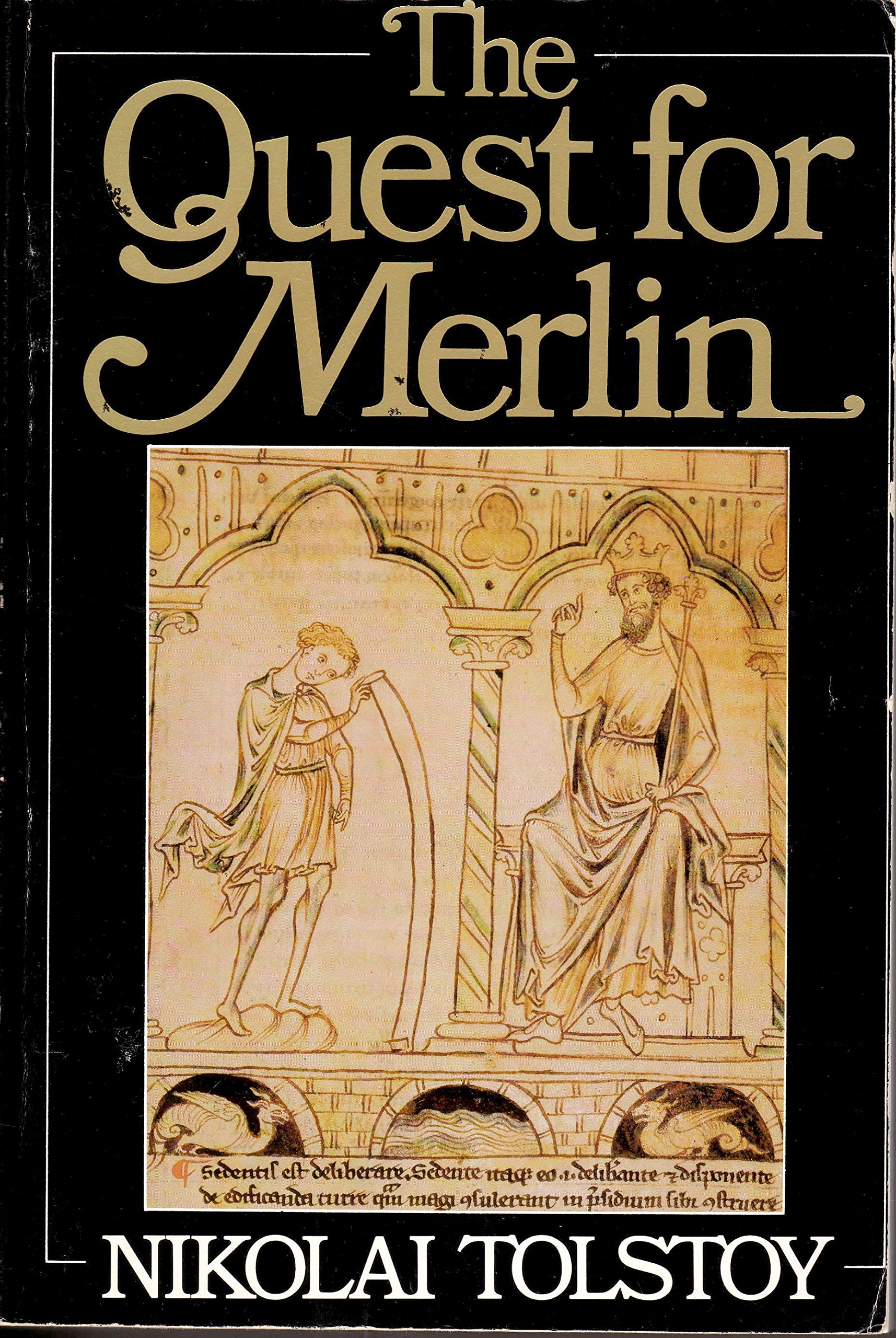
One seam in the scholarship stays live, and this site takes a side on it. The derivation
line — Nikolai Tolstoy's The Quest for Merlin at full strength, with Jarman and
Carney as scholarly kin — holds that the mythical elements of the romance Merlin are rooted
in the historical northern wild man: the whole figure, court magician included, grows from
the geilt root. The invention line — Anne Lawrence-Mathers — holds that "Merlin the
Magician" was Geoffrey of Monmouth's twelfth-century literary creation, and cautions against
reading him as a druid's survival. This site argues the derivation side, and marks it as a
position rather than a finding — the same honesty the Vision page
keeps about the uncreated light. What the kinship means — the two figures read together as
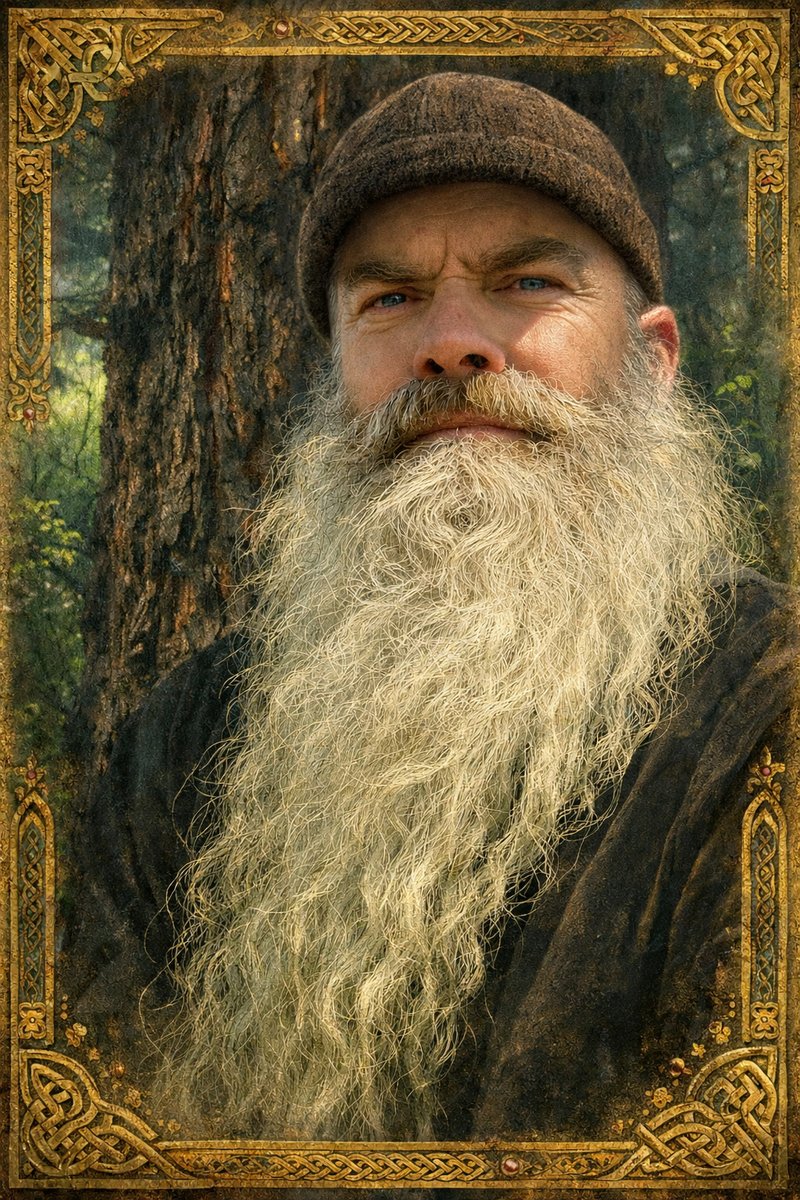
voices from the threshold — is the keystone's argument. Who carries the name now is the rest
of this page.
An identity essay
III · After
After the name attached — PTSD and the frenzy, exile and isolation, addiction and liminal sight, and the desert fathers' mercy that paralleled Moling's reception of Suibhne. Why retelling his story is, metaphorically, retelling my own.