The keystone essay
The Bard's Dilemma
The bard's word outlives him only if it is given a durable body — and the Sweeney name has carried that office across a book, a forge, and a ballad, down to the present.

An atlas of origin, exile, and return—tracing the Sweeney story through text, landscape, and memory.
"Here beginneth a short account of the conquests and victories of Clann Suibhne, and of their ramifications."
The keystone essay
The bard's word outlives him only if it is given a durable body — and the Sweeney name has carried that office across a book, a forge, and a ballad, down to the present.
Ancestry here is an atlas of origin, exile, and return — the tale, the battle, the clan, the castle, and the songs that kept the name alive. The work of this section is bardic in the old sense: witness given durable form. The Leabhar kept devotion, history, and poetry in one volume; the Ballad of Turlough Óg carried clan memory in song; the Bard of the West kept making after the castles fell. This site continues that office in a newer medium.
Paired entries in the narrative atlas — each column a rhyme across the inheritance: the tale, the clan, the book, and the songs that kept the name.
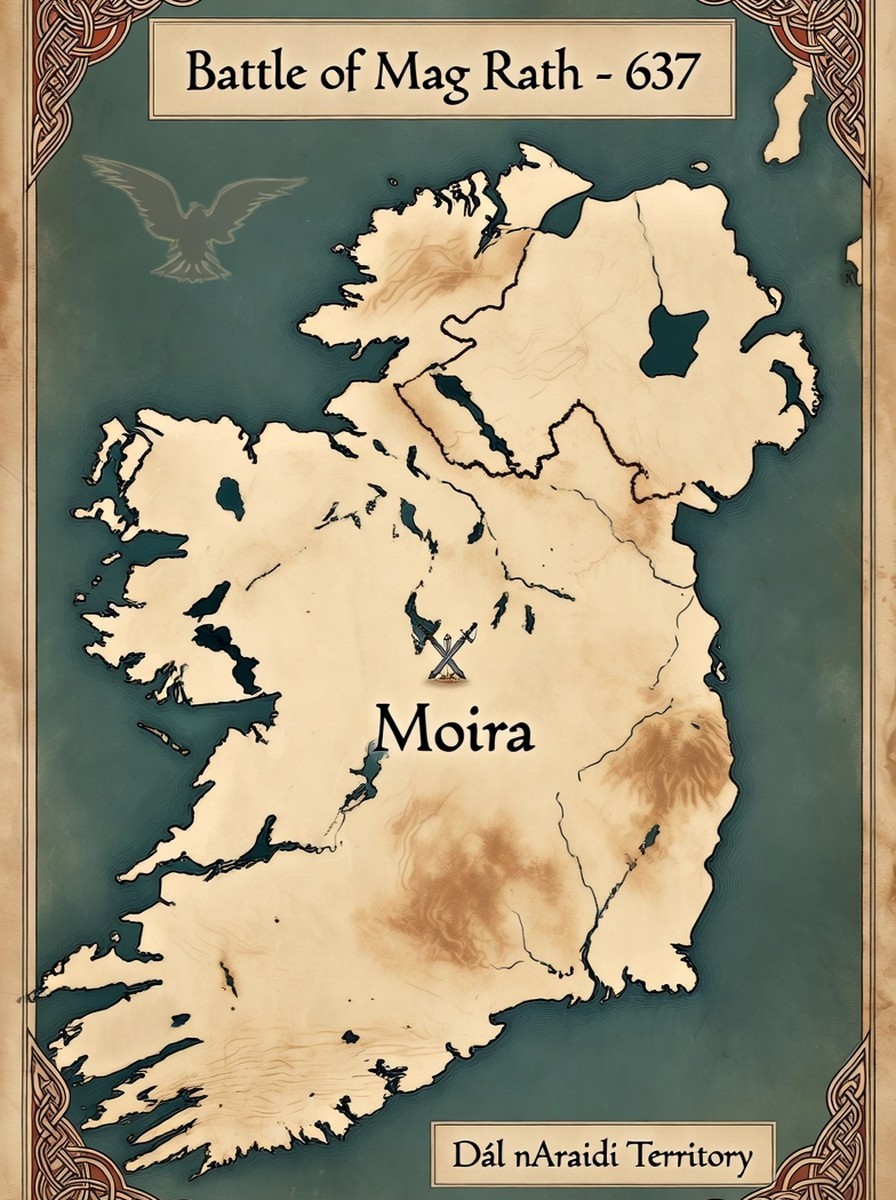
A pivotal battle in the story’s shadow. Context, consequence, and why this clash still shapes the Suibhne cycle.
Enter →
The medieval Irish tale in O'Keeffe's 1913 translation — key scenes with section anchors, and the full edition. Commentary lives on The Study.
Enter →
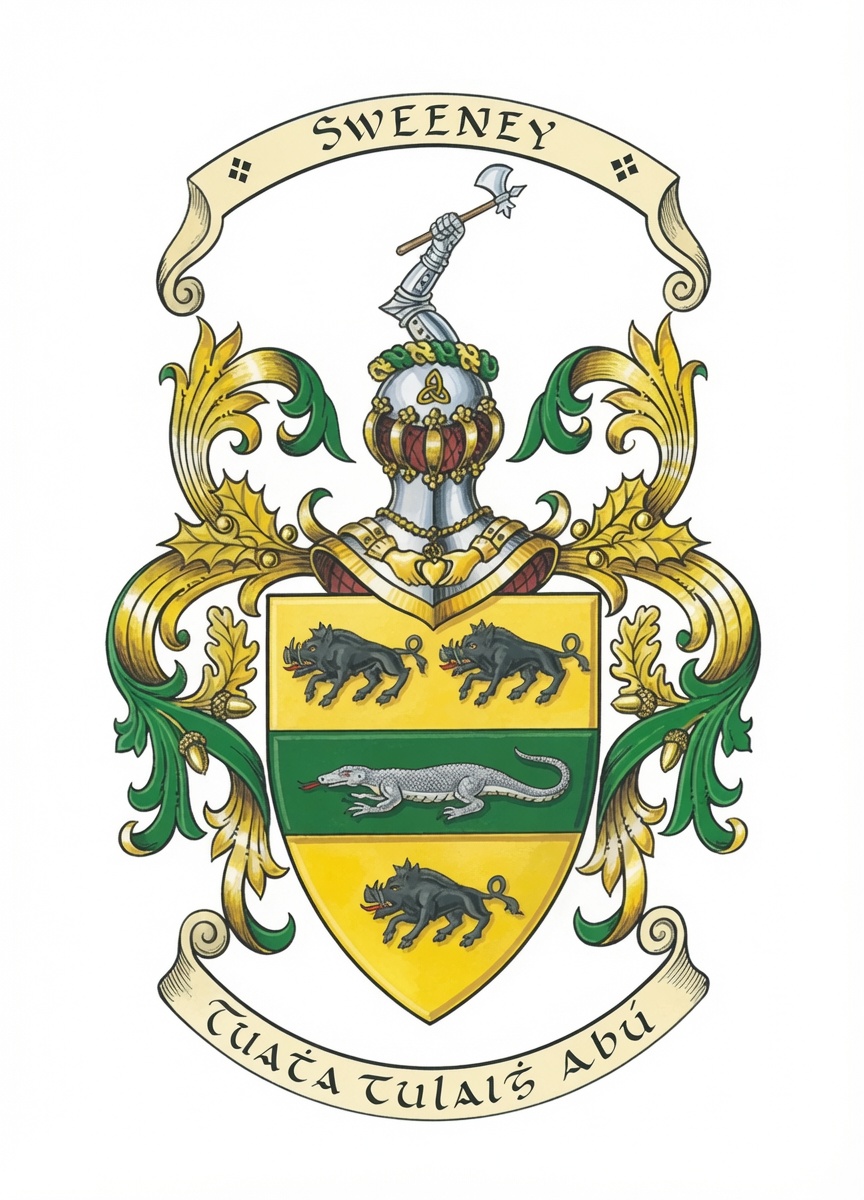
The front hall of the heritage section — where the name comes from, how the family branched, what it built and lost, and where it is now.
Enter →
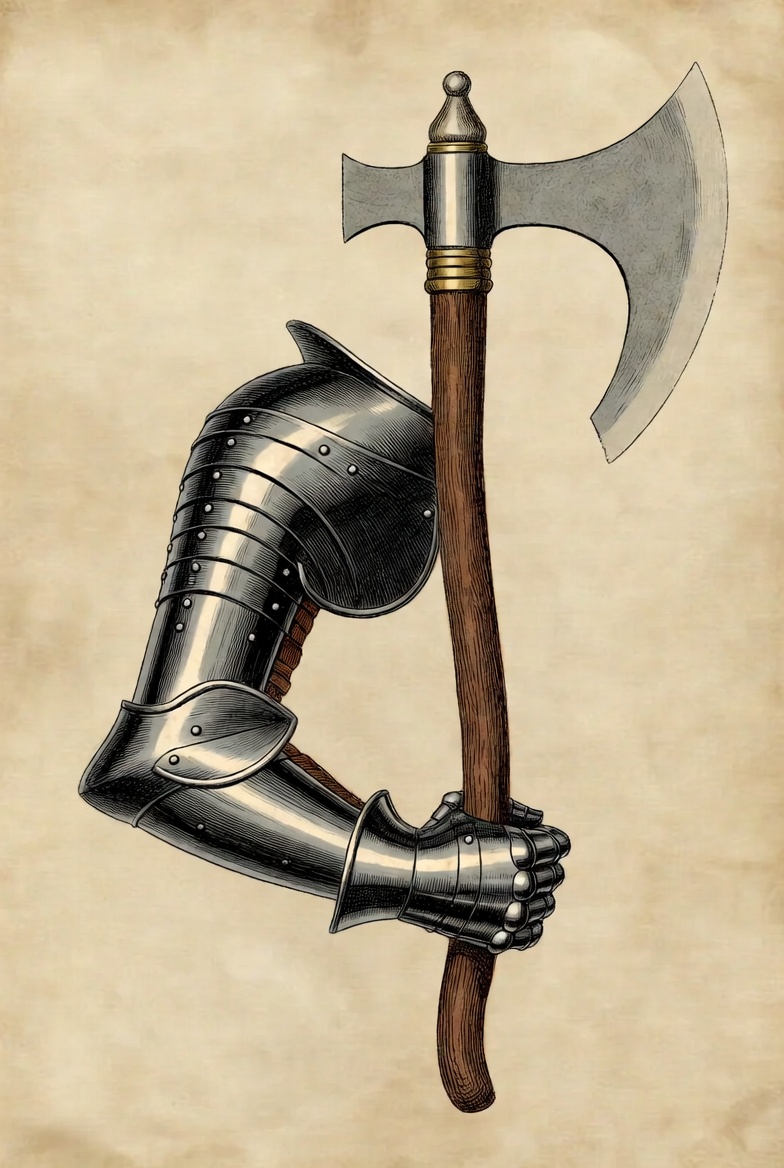
Foreign warriors of the Hebrides — the heavy infantry that became a lineage. The MacSweeney gallowglass dynasty from Castle Sween to Donegal.
Enter →
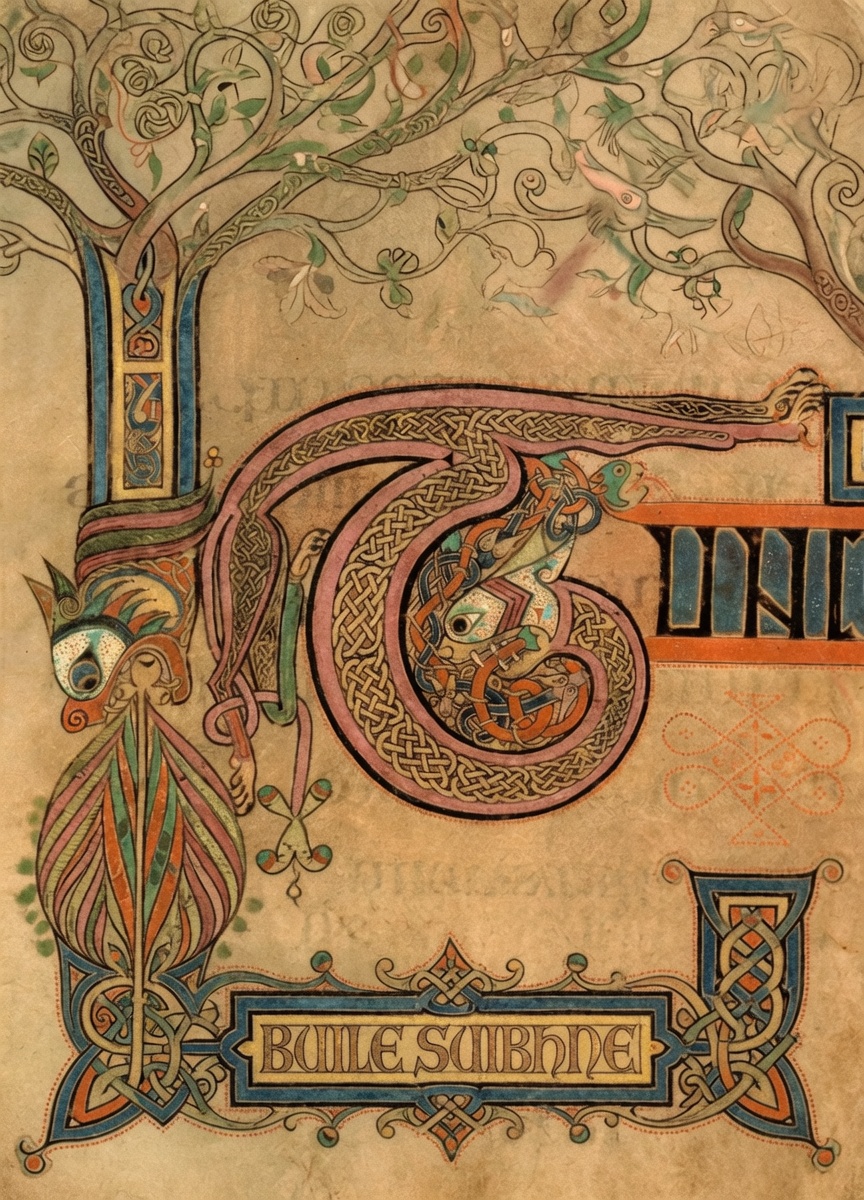
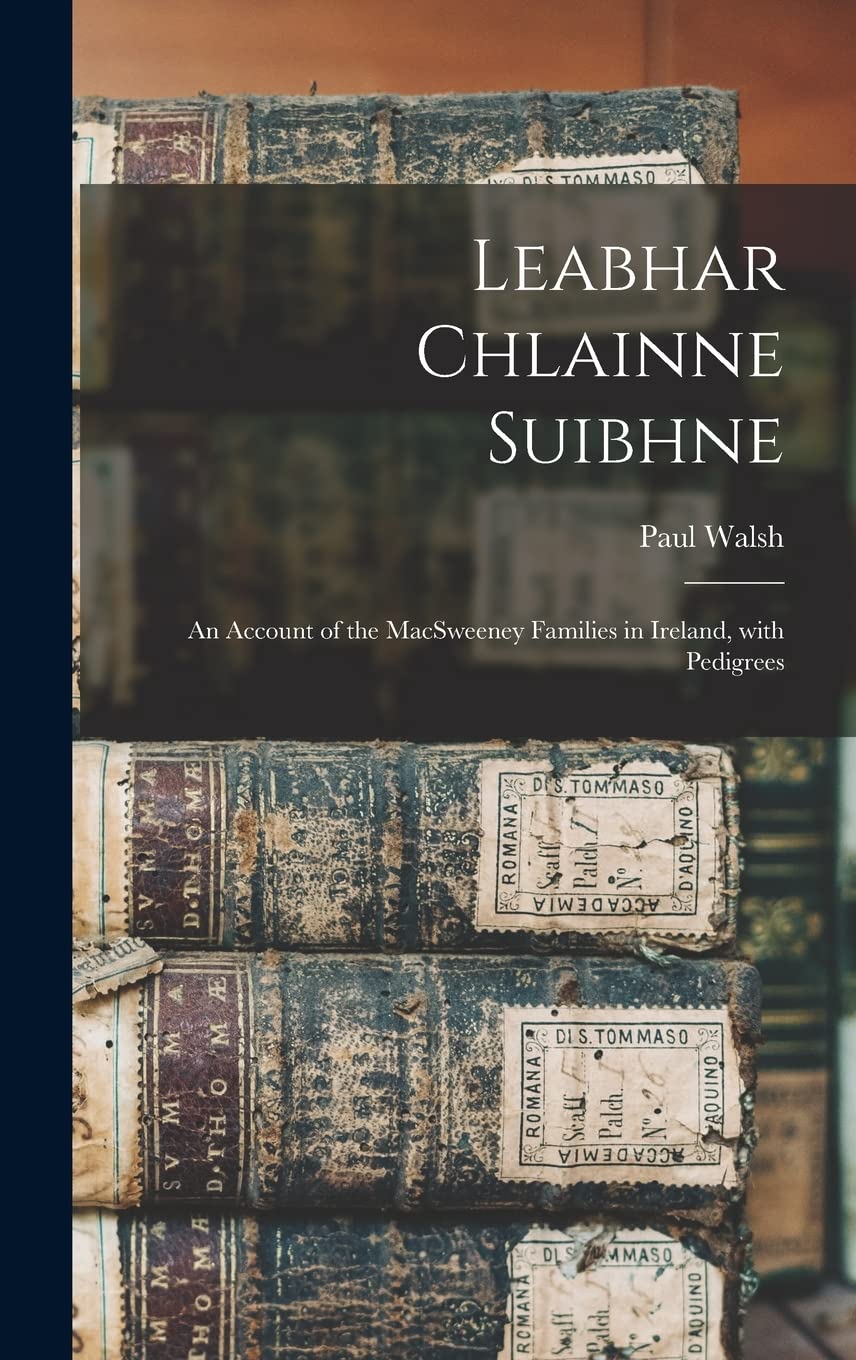
The Book of Clan Sweeney — a sixteenth-century vellum volume binding devotion, clan history, and bardic poetry, kept at the Royal Irish Academy.
Enter →
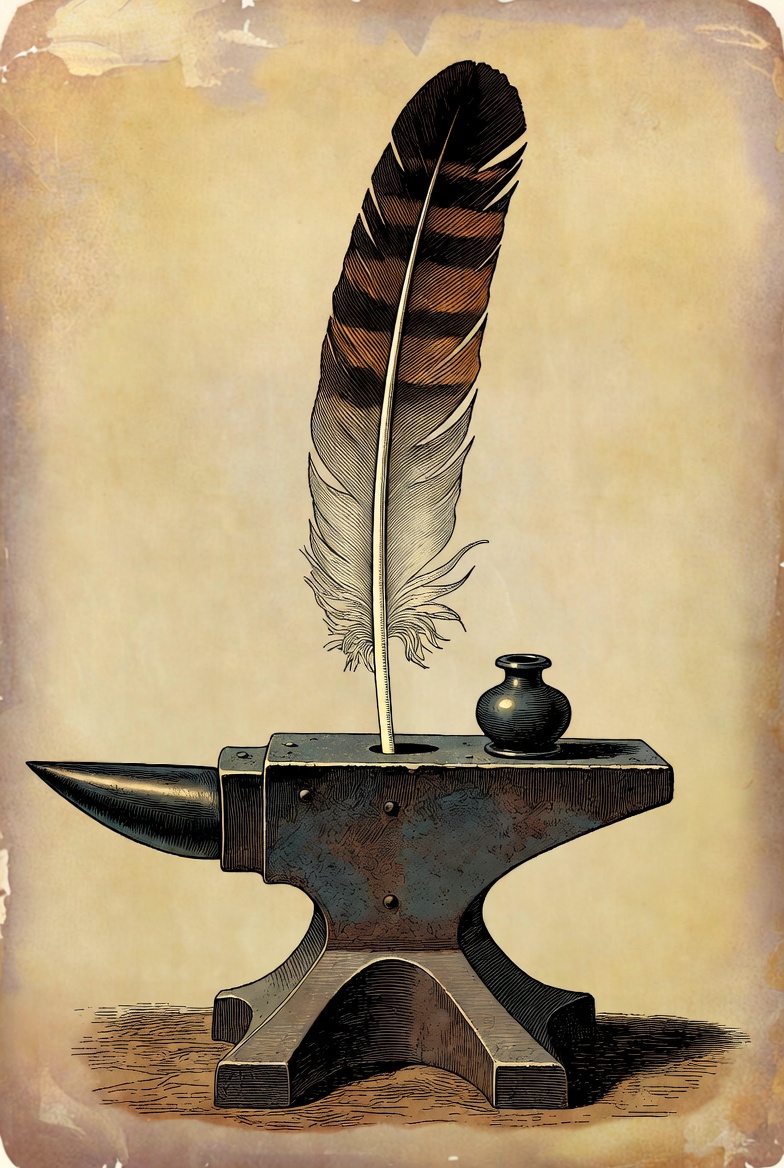
A named bard of the Sweeney line — the Connemara poet and blacksmith whose songs a whole district kept by heart after the castles fell.
Enter →
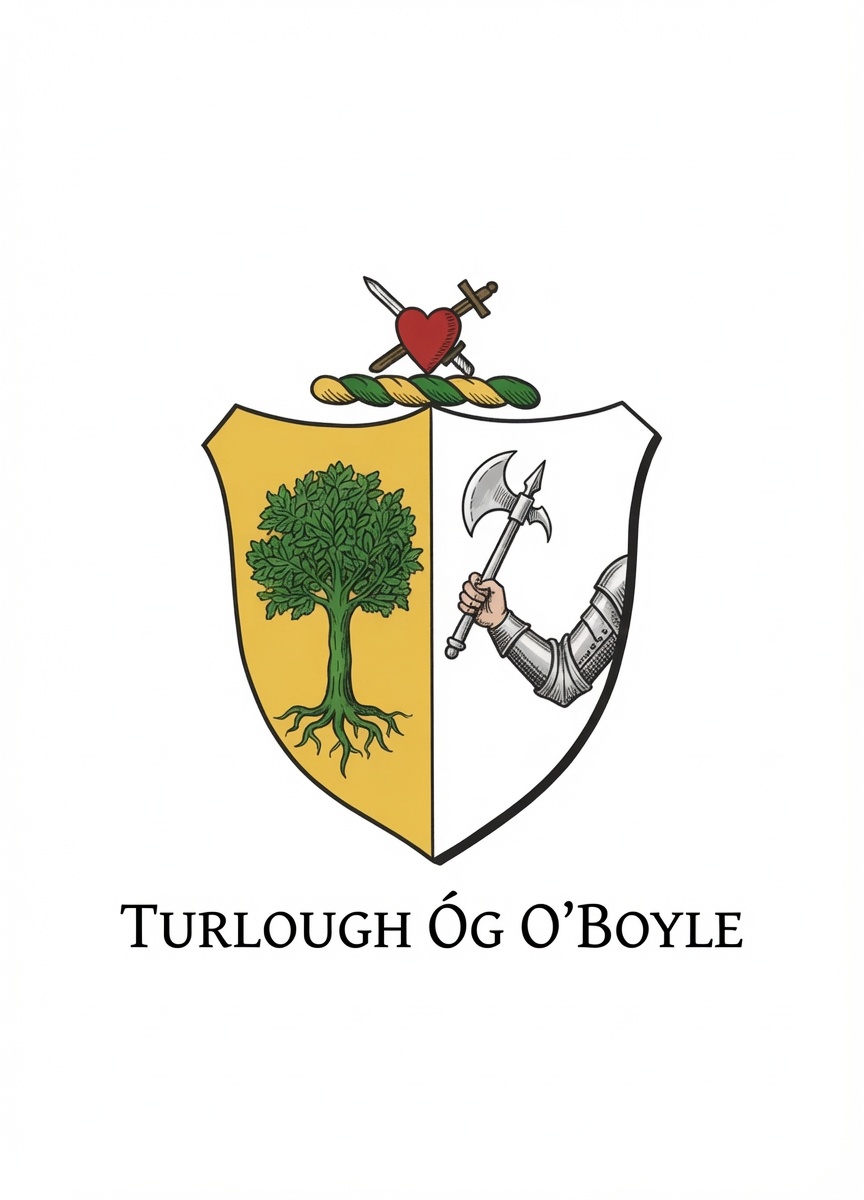
A Donegal love-tragedy at Doe Castle — Sweeney history preserved in the ballad tradition. Clan feud, forbidden love, and song that endures.
Enter →
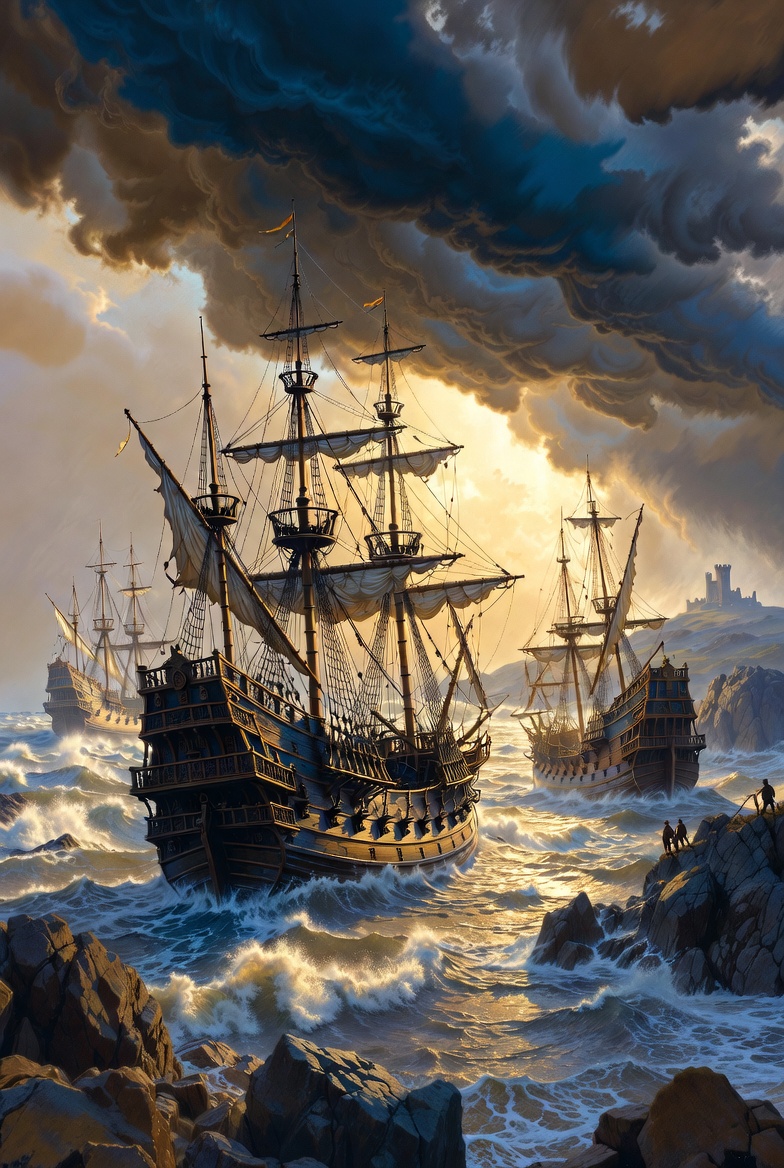
Wreck, refuge, and repair on the northwest coast. MacSweeney shelter at Doe, and mercy shown when receiving was costly.
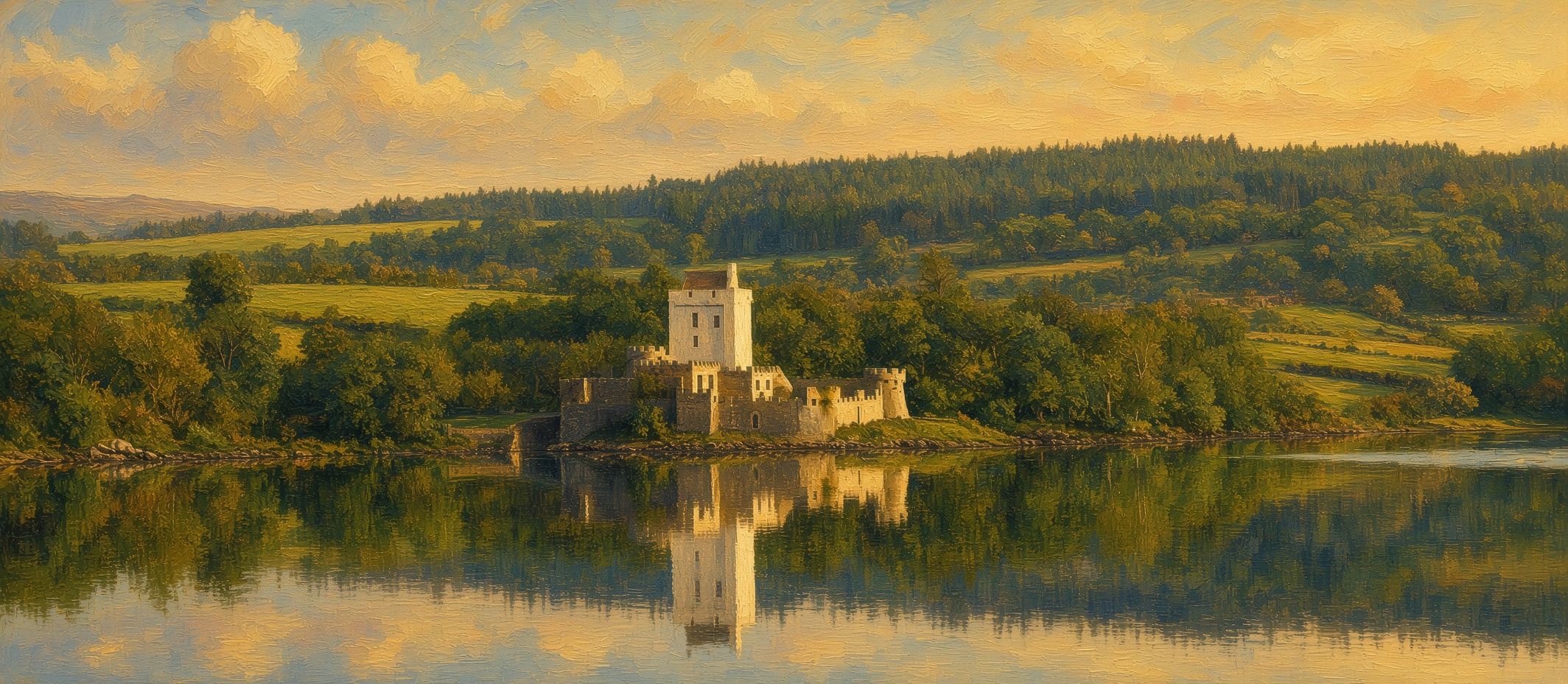
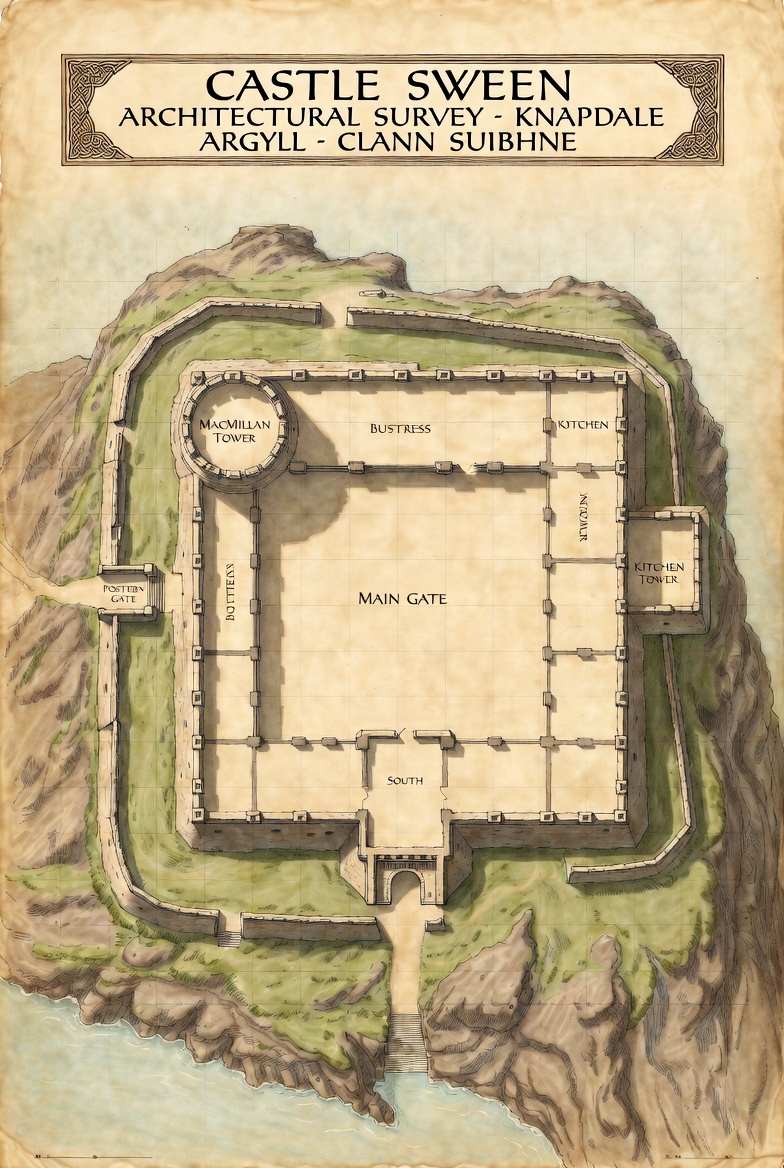
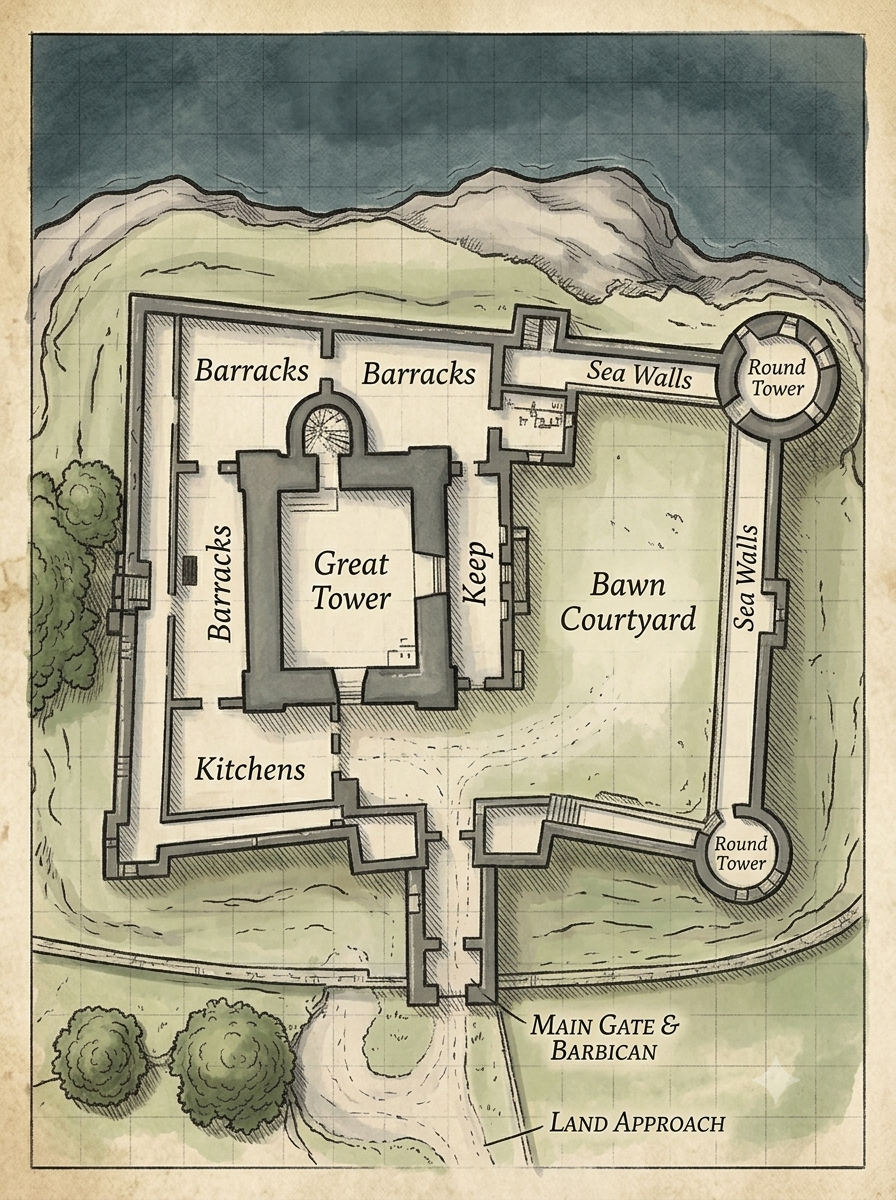
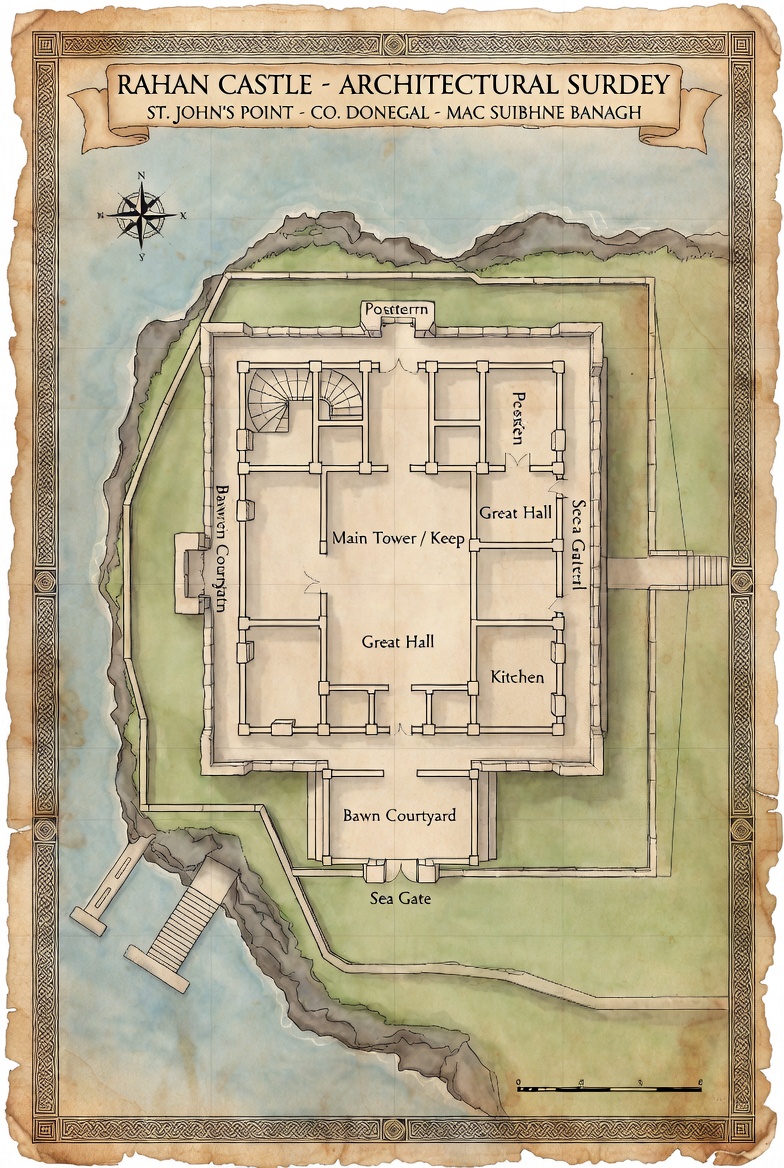
Enter →Castle Sween in Argyll — the Scottish cradle — and Doe and Rahan on the Donegal coast, the seats two branches of the same displaced kindred raised in stone.
Caisteal Suibhne, Argyll — the oldest datable castle on the Scottish mainland, and the house the name was born in. Doe Castle's older twin.
Enter →
Stone on the Atlantic edge. The northern house of the MacSweeneys in Donegal, and the best preserved of the three. Castle Sween's younger twin.
Enter →
McSwyne's Castle on St. John's Point — the southern house, seat of Mac Suibhne Bóghaineach, lost to Plantation, litigation, and the Atlantic.
Enter →Place anchors story. Castle and battlefield sit within the same landscape, tying lineage to land, and memory to a terrain that still carries the tale forward.
An identity essay
II · 1995–1997
University, 1995 — Tolstoy's Quest for Merlin, the hunt for O'Keeffe, and the 1997 surname search that delivered Buile Suibhne inside a packet from Ireland. How Merlin's Irish double was waiting under my own name.
The editions and records the atlas above stands on. Each entry page carries its own fuller apparatus; where a source is popular or local rather than scholarly, it is marked.